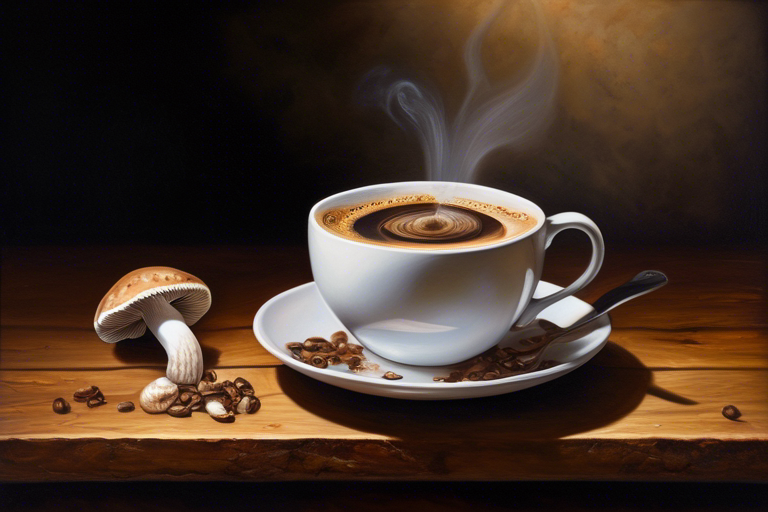
Haar says if you’re enjoying a daily cup of mushroom coffee, there’s probably no harm in it, and it may gb mushrooms coffee offer some benefit. But to be sure to get the health benefits of mushrooms, stick to coffee if you drink it and work different types of mushrooms into your diet.
Haar also says that the process of extracting mushrooms to make mushroom coffee removes the fiber, so you may miss out on the high fiber content you get from eating whole-food mushrooms. There’s also a chance the helpful nutrients in mushrooms may be reduced during the extraction process.
With its reduced caffeine content per cup, mushroom coffee may seem like an attractive choice if your goal is to cut back on caffeine. But Haar says to consider this: One cup of regular coffee contains around 100 mg of caffeine. While the U.S. Food and Drug Administration recommends capping daily caffeine intake at 400 mg, recent studies propose that 100 mg to 200 mg could be beneficial. This is roughly equal to one or two cups per day.
To moderate your caffeine intake, Haar suggests consuming two cups of regular coffee per day. Any extra cups you want after that should be decaffeinated coffee instead, she says.
Landry points out the challenge of figuring out whether the effects seen in mushroom coffee come from the coffee or the added mushroom powder.
Moderate coffee consumption alone is connected to some health benefits. These include decreased inflammation, improved heart health and better brain function. Landry suggests that mushroom coffee may provide comparable or even enhanced benefits — but there are not enough human studies on mushroom coffee to demonstrate that.
 Site Title
Leave a comment